
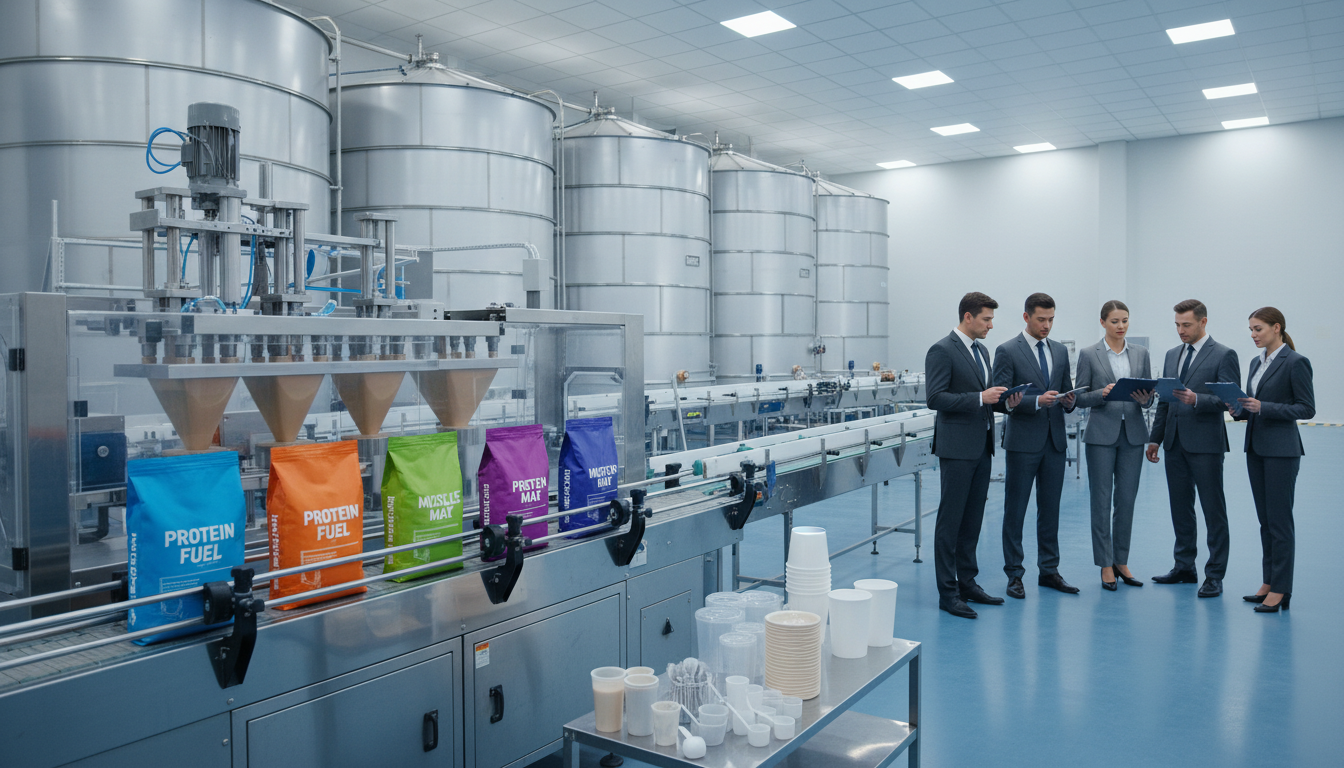
In the rapidly expanding protein supplement market, can you truly guarantee the integrity of your product from production to consumer? Wintech Package protein powder packing is far more than simply filling containers—it’s a critical process that safeguards product quality, consumer trust, and brand reputation.
The global protein supplement market is projected to exceed $20 billion by 2025, making protein powder packing validation an essential competitive strategy. Your protein powder filling machines represent the frontline of quality assurance, ensuring each supplement package meets rigorous industry standards.
Supplement packaging solutions require meticulous validation processes that go beyond basic filling. Systematic testing protocols like Installation Qualification (IQ), Operational Qualification (OQ), and Performance Qualification (PQ) are crucial for maintaining consistent product performance.
Key Takeaways
- Protein powder packing validation protects product integrity
- Advanced testing ensures regulatory compliance
- Automated verification minimizes packaging errors
- Comprehensive validation supports brand reputation
- Precision in packaging directly impacts product shelf life
Understanding Protein Powder Packing Requirements
Protein powder packing is a critical process that extends far beyond simple product containment. Your packaging strategy plays a crucial role in maintaining product quality, ensuring regulatory compliance, and building consumer trust.
Navigating the complex landscape of protein powder packing requires a comprehensive approach that addresses multiple critical aspects of production and distribution.
Importance of Efficient Protein Powder Packing
Efficient custom protein packaging directly impacts your product’s market success. The right packaging solution offers several key benefits:
- Protects product integrity from moisture and contamination
- Ensures accurate product dosing
- Maximizes shelf life
- Reduces waste and production costs
“Precision in protein powder packing is not just about containment—it’s about preserving product quality from production to consumption.”
Compliance and Regulations in Protein Powder Packing
Regulatory compliance is paramount in whey protein packaging. Your packaging must meet stringent FDA guidelines and cGMP standards.
| Regulatory Requirement | Key Considerations |
|---|---|
| Labeling | Complete nutritional information, ingredient list, allergen warnings |
| Packaging Materials | Food-grade, contamination-resistant materials |
| Testing | Third-party verification of product purity and potency |
Key Equipment for Protein Powder Packing
Selecting the right equipment is crucial for bulk protein powder containers. Advanced technologies ensure precision and consistency in your packing process:
- Automated filling systems
- Precision weighing scales
- Automated sealing equipment
- Quality control verification systems
Investing in high-quality protein powder packing equipment is an investment in your brand’s reputation and product excellence.
Protein Powder Packing Process Guidelines
Navigating the protein powder packing process requires precision, expertise, and a comprehensive understanding of industry best practices. Your protein powder packing strategy determines product quality, safety, and market success.
Essential Steps in Protein Powder Packing
The protein powder packing process involves multiple critical stages that ensure product integrity and consistency. Your workflow typically includes:
- Equipment sanitization and calibration
- Raw material preparation
- Precise powder dosing
- Container positioning and filling
- Seal application and verification
- Labeling and batch coding
Quality Control Strategies
Quality control in protein powder packing demands rigorous attention to detail. Your protein powder packing quality system should incorporate:
- Regular equipment calibration
- Statistical process control
- Environmental monitoring
- Third-party product testing
Addressing Common Packaging Challenges
Protein powder packing presents unique challenges that require strategic solutions. Critical issues include:
- Powder bridging and clumping during filling
- Electrostatic charge management
- Fill weight precision
- Dust control and containment
Your protein container design plays a crucial role in mitigating these challenges. Supplement jar manufacturing must prioritize compatibility with filling equipment and minimize potential contamination risks.
Successful protein powder packing relies on understanding and proactively addressing potential manufacturing obstacles.
Advanced Technology in Protein Powder Packing
Modern protein powder packing technologies are transforming the supplement industry with unprecedented precision and efficiency. Wintech Package leads the way in developing cutting-edge solutions that revolutionize how manufacturers approach protein powder packing. Your protein powder packing operations can now leverage advanced technologies that dramatically improve product quality and production performance.
Innovative protein powder packing equipment now integrates sophisticated technologies that go beyond traditional filling methods. Servo-driven systems provide micro-precision during filling, ensuring accuracy within fractions of a gram. Vision inspection technologies use high-resolution cameras and artificial intelligence to verify fill levels, seal integrity, and label placement with unprecedented reliability.
Innovations in Protein Powder Packing Equipment
Eco-friendly protein packaging has become a critical focus for modern supplement packaging solutions. Your protein powder packing line can now utilize sustainable materials like compostable films and post-consumer recycled plastics. These innovations address environmental concerns while maintaining the rigorous protection requirements essential for protein powder packaging.
Automation Trends in Protein Powder Packing
Automation is reshaping protein powder packing with sophisticated robotic systems that minimize human intervention. Collaborative robots work alongside operators, handling repetitive tasks with remarkable precision. Your protein powder packing facility can now implement fully automated workflows that maximize throughput and reduce contamination risks.
Future of Protein Powder Packing Solutions
The future of protein powder packing will be driven by emerging technologies like artificial intelligence and blockchain integration. Smart packaging solutions will incorporate interactive elements such as QR codes and NFC tags, creating unprecedented consumer engagement. Wintech Package continues to push technological boundaries, developing next-generation protein powder packing systems that set new industry standards.


